
The History and Modern Evolution ofPawnbroking in the UK
- November 28, 2025
- Kawsar
Pawnbroking is one of Britain’s oldest financial services — and one of its most enduring. Long before online banking and credit cards, people used valuable possessions to unlock short-term funds, safely and responsibly.
Today, pawnbroking has evolved into a professional, FCA-regulated industry that provides quick access to cash for individuals and businesses alike.
Here’s how the trade began, how it changed through the centuries, and where it stands in 2025.
From Ancient Practice to Tudor Britain
The concept of lending money against pledged goods dates back thousands of years. Historians trace its roots to ancient China and early European trading cities, where merchants lent money against tools, jewellery, or fabrics.
Pawnbroking reached Britain by the Middle Ages, but it was during the Tudor period that the practice became widespread.
As trade and craftsmanship flourished, pawnbrokers offered vital liquidity for workers, sailors, and small business owners who needed temporary funds between paydays or voyages.
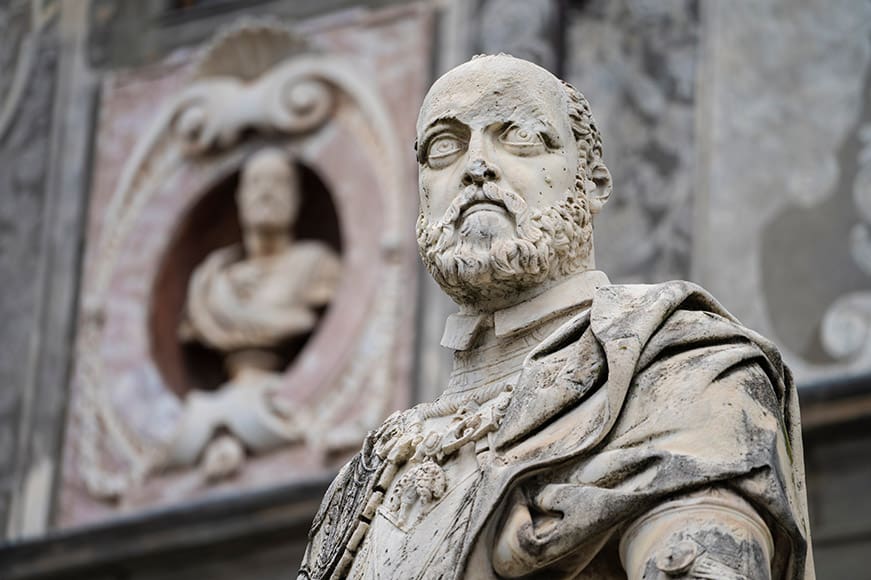
The Golden Age of Pawnbroking
By the 18th and 19th centuries, pawnbroking had become part of daily life in the UK. Nearly every town had one or more pawnbrokers — easily recognised by the symbol of three golden balls hanging above their shopfronts (a tradition that continues today).
For working families during the Industrial Revolution, pawnbrokers provided a financial safety net long before welfare systems existed.
Common items pawned included:
- Wedding rings and pocket watches
- Clothing and household goods
- Tools of trade for craftsmen and labourers
The industry was formalised with the Pawnbrokers Act of 1800, later strengthened by the Pawnbrokers Act of 1872, which introduced legal protections for borrowers and clear rules on interest and redemption periods.
The 20th Century: Decline and Reinvention
In the early 20th century, pawnbroking began to decline as wages stabilised and mainstream banking expanded.
After World War II, new forms of credit — hire purchase, store cards, and personal loans — replaced much of the traditional pawn trade.
However, from the late 1990s onwards, the sector began to modernise:
- Shops adopted professional valuations and digital record-keeping.
- High-value loans against watches, cars, and jewellery replaced small-ticket pledges.
- The industry became increasingly regulated and transparen.
21st-Century Pawnbroking: From High Street to High- End
Modern pawnbroking is a world away from its 19th-century image.
Today’s clients include professionals, entrepreneurs, and collectors who prefer short-term, asset-backed finance over traditional credit.
Key characteristics of modern pawnbroking:
- FCA Regulation: Every reputable pawnbroker in the UK must be authorised and regulated by the Financial Conduct Authority (FCA) under the Consumer Credit Act 1974.
- Confidential, appointment-only service: Discretion and client privacy are now standard.
- Luxury and asset-based lending: Loans secured against fine watches, jewellery, cars, art, and even cryptocurrency.
- Digital valuations and online enquiries: Technology enables instant quotes and same-day funding.
“Pawnbroking today is about flexibility, transparency, and professionalism — not desperation,”
says a spokesperson for LoanAgainstAssets.co.uk.
“Our clients use assets strategically to manage cash flow or seize business opportunities.”
Regulation and Consumer Protection
The modern industry is underpinned by robust regulation.
As an FCA-regulated pawnbroker, LoanAgainstAssets.co.uk must:
- Provide clear loan documentation.
- Disclose all costs and interest rates upfront.
- Offer fair redemption and renewal terms.
- Store pledged assets securely and fully insured.
This ensures borrowers enjoy the same level of protection as with any other regulated financial product.
Why Pawnbroking Still Matters in 2025
In an age of digital finance and fintech startups, pawnbroking remains relevant because it meets a timeless need — fast, fair access to funds without lengthy applications or credit checks.
For many people and small businesses, it’s the simplest way to unlock the value of what they already own.
And with modern regulation, it’s also one of the most secure.
A Legacy of Trust and Adaptation
Pawnbroking has survived for over 600 years in Britain because it adapts — to changing economies, technologies, and customer needs.
From a working-class lifeline to a trusted, luxury financial service, it has always reflected the times.
As the UK faces new economic challenges, the role of FCA-regulated lenders like
LoanAgainstAssets.co.uk continues that legacy — offering ethical, transparent, and fast solutions built on centuries of trust.
Looking for a Trusted, FCA-Regulated Pawnbroker?
At LoanAgainstAssets.co.uk, we combine the heritage of traditional pawnbroking with the efficiency of modern finance. Our process is secure, confidential, and compliant — helping you access cash without selling your valuables.